EU Antitrust Case Targets Google AI Search Results
A major development just affected Google’s AI-powered search experience. On February 10, 2026 — two days ago — a group of European publishers filed an antitrust complaint against Google. The complaint focuses on how Google’s AI Overviews create and show summarized answers in search results. The group says publisher content is being used inside AI summaries without fair control or payment. They also say that choosing to opt out can reduce a site’s visibility.
This story is getting wide coverage because it moves the AI search debate into legal and regulatory review. Before, most discussion was about product design. Now the focus is on competition, control, and market power. This change matters beyond media companies.
For local service businesses in Auburn, Alabama, this is not far-away policy news. It affects how visibility is decided at the top of Google search results.
Why This Case Is Getting Attention
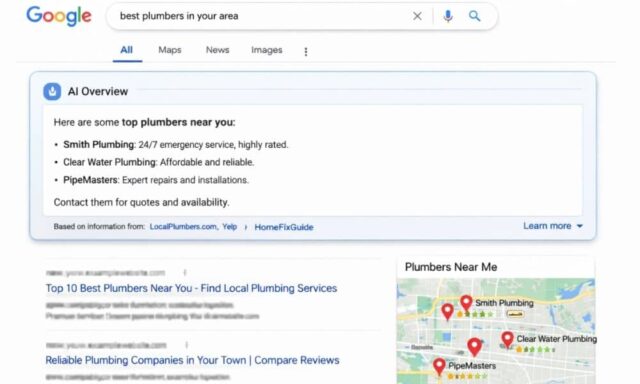
AI Overviews appear above normal organic listings for many searches. They often give a complete summarized answer. Many users read that summary and stop there. They do not click on several websites. This changes how traffic flows and which sources get attention.
The complaint questions whether Google can fairly use third-party content in these summaries. It also questions how Google controls who keeps or loses visibility. Regulators will now review how AI summaries are built, where the information comes from, and how sources are credited.
If regulatory pressure leads Google to change AI Overviews, updates could include:
- different citation and credit rules
- new display formats or warning labels
- revised opt-out settings
- regional feature changes
Any change at this level affects how users see and choose businesses and information sources.
Why This Matters for Auburn Businesses
Local businesses depend on key search moments. This is when a customer is ready to pick a provider, ask for a quote, or make a call. AI-generated summaries now shape many of those moments. They narrow options or frame the answer first.
If AI Overview behavior changes because of legal action, visibility patterns may shift again. More attention could go back to normal listings. Or new AI layouts may highlight different signals.
Either way, it adds another moving part to local discovery. This kind of shift often forces a rethink of a company’s local visibility strategy.
The Bigger Takeaway
The main takeaway is not the final legal result. It is that AI search display is now under formal antitrust review. This increases the chance of product and policy changes in how search results are created and shown. In the past, most changes came from algorithm updates. Now legal and regulatory decisions may also shape results.
For local service businesses in Auburn, Alabama, search visibility may keep shifting and be harder to predict. How customers discover providers online — even when looking for something specific like professional masonry work — is more influenced by how Google presents AI-driven results.
The environment is becoming more changeable. Visibility is not driven by rankings alone anymore. Regulation, platform design, and AI presentation layers are now part of the equation too.
