
How Internal Linking Boosts Local Search Rankings
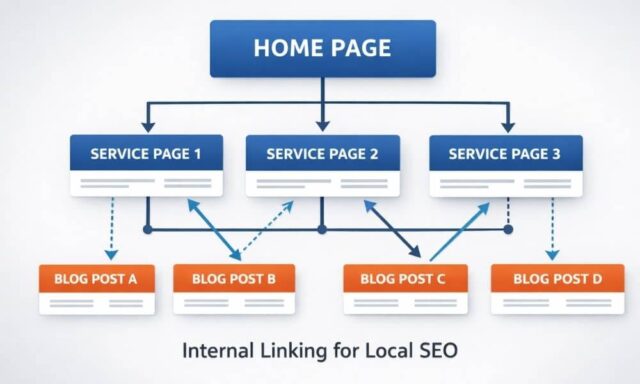
Many business owners focus on Google Business Profiles and reviews. Those matter. But there is another factor that often gets ignored: how your own website connects its pages.
Internal linking is not flashy. It does not show up as a new feature. Yet it quietly shapes how search engines understand your services and your local authority.
For service businesses, this structure can be the difference between steady leads and slow weeks.
Why Internal Links Matter in Local Search
Search engines look at how pages connect. When your service pages link to related blog posts, and those posts link back to core services, it creates a clear map of what you do and where you work.
If you run a Dallas-based firm and have pages for drainage studies, site plans, and permitting support, those pages should reference each other when it makes sense. This helps search engines see depth, not just keywords.
For example, a Dallas development firm explaining a zoning update might link to its core page about civil engineers to show relevance. That single link helps reinforce service authority without repeating the same phrases over and over.
Strong internal links tell a simple story: this business knows its field and serves this location.
The Dallas Market Is Competitive
Dallas is not a small market. New service businesses launch every month. Established companies update their sites. Some invest heavily in ads.
A well-structured website gives you stability. Even when algorithms shift, a clear page structure keeps your content connected and easy to understand.
Many local sites have strong homepages but weak service connections. Blog posts sit alone without linking back to core services. Service pages exist but never reference supporting content.
That creates gaps. And gaps weaken authority.
How to Structure Internal Links the Right Way
Start with your main services. Each one should have its own focused page. From there:
- Link related blog posts to that service page.
- Link between related services when the connection is real.
- Use clear, natural wording.
- Avoid stuffing the same phrase everywhere.
Think of it like guiding a visitor through your business. If someone lands on a blog post about drainage concerns in North Dallas, it should be easy for them to move to your main service page without searching again.
Auburn Business works with service companies to strengthen this structure. Small adjustments in linking can improve clarity, user flow, and local visibility over time.
Search visibility is not always about doing more. Sometimes it is about connecting what you already have.
