↓
 

AuburnBusiness.Com

Helping Local Business Get Online - Where the $Money$ Is

AuburnBusiness.Com
  • Home
  • Online Marketing
    • Local Online Marketing for Attorneys
    • Local Online Marketing for Land Surveyors
  • Resources
    • Training
    • Sales Tools
    • Drip Apps – Rank, Rent, Profit
    • Opt-In Consent for Texting
  • Register Domain
  • About Us
  • Contact Us
Home - Page 3 << 1 2 3 4 5 … 117 118 >>

Post navigation

← Previous Post
Next Post→

Building a Stronger Online Presence Before Customers Search

AuburnBusiness.Com Posted on August 25, 2026 by KeithAugust 19, 2026
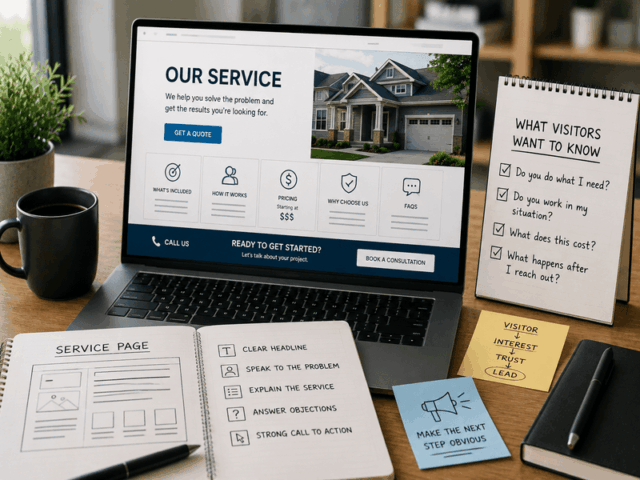
Online presence represented by a professional business website displayed on a laptop in a modern office workspace.

Most business owners wait until they need a customer to think about their online presence. That’s backwards. By the time someone searches for your service, they’ve often already decided who they trust. The businesses that win aren’t the ones that show up first in a search. They’re the ones that already feel familiar. Getting there takes work long before anyone types a question into Google.

Build Brand Recognition Before Buyers Have an Immediate Need

People don’t wake up ready to hire a contractor or sign a contract. They notice a business slowly, over weeks or months, without even trying to. Maybe they saw a post about a local project. Maybe a neighbor mentioned the company at a block party. Maybe they scrolled past a photo on social media and paused for two seconds.

None of that feels like marketing. But it adds up. Each small moment of exposure makes a business more familiar. And familiar businesses get picked over strangers, even when the stranger has a lower price.

This means the goal isn’t just to be found. It’s already known. A company that shows up at community events, posts useful updates, and keeps its branding consistent across platforms builds a kind of quiet trust. When the customer finally needs help, they’re not comparing five unknown names. They’re calling the one they already recognize.

Create Helpful Resources Customers Can Discover Early

Here’s something a lot of businesses miss. Most people researching a problem aren’t ready to hire anyone yet. They’re just trying to understand what’s going on. A homeowner with a cracked driveway isn’t Googling contractor names. They’re asking why concrete cracks in the first place.

That’s the moment to show up, not with a sales pitch, but with an answer. A short guide, a simple checklist, or a plain explanation of a confusing term can do more for a business than an ad ever will. It doesn’t sell anything. It just helps.

And that’s exactly why it works. The person reading it isn’t being pitched, so their guard is down. They form an opinion about the business based on how useful it was, not how polished the sales page looked. Weeks later, when they finally need to hire someone, that early guide is still sitting in the back of their mind.

Make Your Business Easy to Verify Across the Web

Say a friend recommends a company. What’s the first thing most people do? They check it out. Not just the website, but wherever else the business shows up. A directory listing. A trade association page. A review on a site they trust.

If those profiles are missing, thin, or out of date, doubt creeps in. It doesn’t matter how good the work is. A business that only exists on its own website looks smaller than one with a presence across several credible places.

Filling out a directory listing takes an hour. Joining an industry association takes a little longer. But together, these small efforts give a potential customer several places to independently confirm that the business is real and legitimate. That confirmation matters more than most owners realize.

Stay Visible During Long Customer Decision Cycles

Some purchases happen fast. Others take months, even years, from the first spark of interest to the moment someone’s ready to spend money. Big renovations. Long-term contracts. Anything expensive enough to require real planning.

During that gap, it’s easy for a business to fade from memory. The fix isn’t complicated. A short newsletter with project updates. A seasonal tip that’s actually useful. A quick note about something the business learned on a recent job. None of it needs to push for a sale. It just needs to keep the name in front of the right person, again and again.

Businesses that disappear during the waiting period lose the advantage they built early on. The ones that stay quietly present are the ones customers still remember when they’re finally ready to move.

Develop a Recognizable Point of View in Your Industry

Generic content blends together. Anyone can write “we care about quality” or “customer satisfaction is our priority.” Nobody remembers those lines because everyone says them.

What people do remember is an opinion. A real observation from a real project. A blunt take on something the industry gets wrong. When a business shares what it’s actually learned, good or bad, it starts to sound like a person instead of a brochure. And people trust people.

This doesn’t mean being controversial for the sake of it. It means saying what you actually think, based on real experience, instead of hiding behind safe language. Over time, that honesty becomes part of what the business is known for. Customers stop thinking of it as just another option and start thinking of it as the one that actually knows what it’s talking about.

Frequently Asked Questions

How early should a business start building awareness? 

As early as possible. Recognition takes time to build, so the sooner a business starts showing up in small, useful ways, the sooner it becomes familiar to future customers.

What online channels help customers discover a company before they need its services? 

Social media, community involvement, professional directories, and industry associations all work well. Each one gives a different type of person a chance to notice the business.

What kind of educational content works during the research stage? 

Simple guides, checklists, and plain explanations of confusing terms. The goal is to help, not to sell.

How often should a business communicate with prospective customers? 

Regularly, but not constantly. A short monthly update is usually enough to stay in someone’s mind without becoming annoying.

How can businesses tell whether early brand-building efforts are working? 

Watch for signs of recognition, like new customers who mention they’ve seen the business before, or referrals where the person already knew the name before asking around.

Posted in Online Marketing | Tagged online marketing

Post navigation

← Previous Post
Next Post→

Branding Package $197

Includes the following:

  • Logo Design (6 options)
  • Edit Logo Design Once per Comments
  • Web Banner Creation
  • Letterhead Creation
  • Furnish All Electronic Files

Tags

ai overviews AI recommendations ai search AI search results Branded Search business business growth strategy business marketing strategy Business profile structure duplicate business listings gbp duplicates goals google business profile Google local results Google rankings keywords lead drop in search lead generation lead tracking local business marketing local business visibility local marketing trends local search optimization local search rankings local search visibility local SEO local seo strategy marketing attribution on-page SEO Online Authority online marketing online visibility search engine optimization search visibility self-help seo service-based businesses service business marketing Service page SEO success time management web web presence website Website Structure

Recent Posts

  • How Businesses Can Turn Experience Into Digital Authority
  • The Shift From Marketing Services to Educating Customers
  • Building a Stronger Online Presence Before Customers Search
  • The Difference Between Being Found and Being Chosen
  • Why Professional Firms Need a Stronger Market Position
© Copyright AuburnBusiness.com, LLC

Terms of Use  |  Privacy Policy
↑